
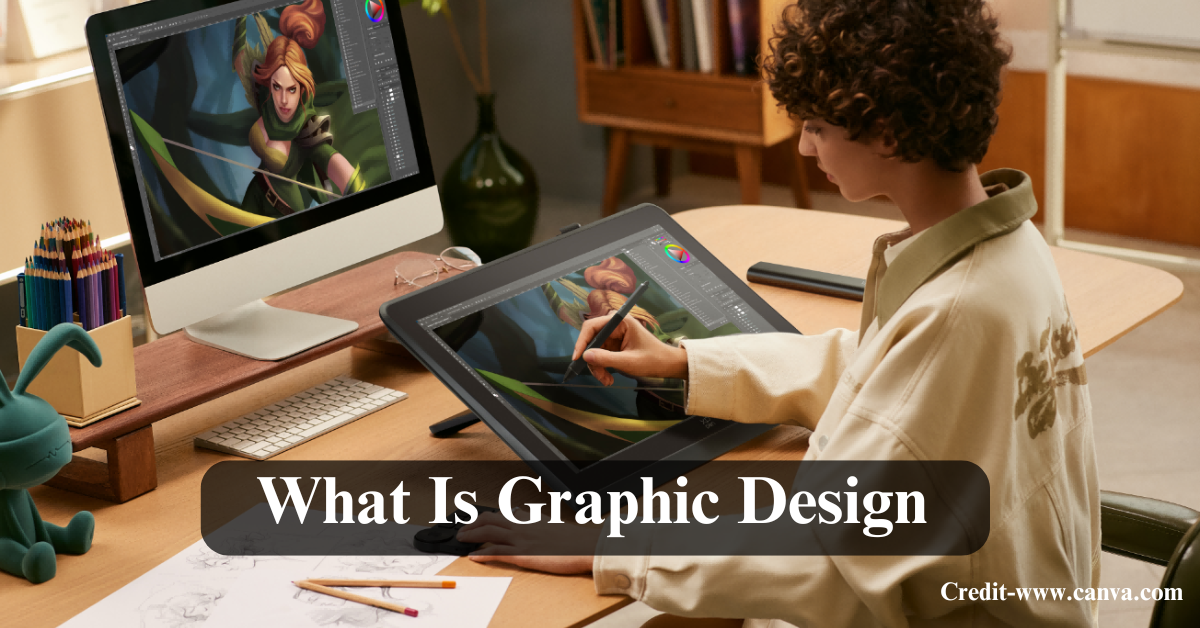
When you scroll Instagram, open a website or pick up a cereal box, graphic design is already at work. People still ask, “What is graphic design?” Is it only about making something look attractive or is more happening behind the scenes?
This guide explains everything in everyday language – it tells what graphic design means, how it operates, why it is important and how people apply it in daily life. The text is meant for beginners, the curious and anyone who wants to learn graphic design for work or as a new career.
Table of Contents
What Is Graphic Design?
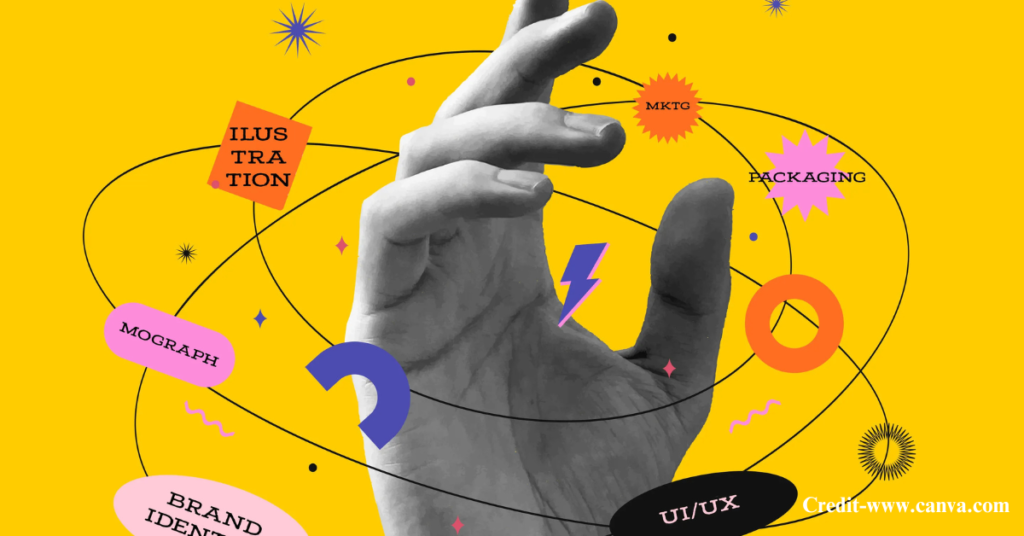
Graphic design is the make of producing pictures and text that convey an idea or a piece of information. In simple words, it arranges letters, colours, pictures plus page building so the viewer receives a clear statement.
When someone asks what graphic design is, the short reply is – it is communication by sight. Designers do not merely ornament objects. They organise pictures so the public grasps, recalls and acts on the data.
You meet graphic design everywhere – on trademarks, web pages, posters, social network entries, boxes, phone programs but also street signs. Every item is planned to steer the eye and to deliver its point right away.
Graphic Design Meaning and Definition Explained
The graphic design definition focuses on communication. Graphic design means combining visuals and text in a planned way to solve a problem or share information.
Another way to explain graphic design is to see it as a story tell without words or with only a few. One poster, logo or picture can show what a brand is like, what a product is price or what an idea means in the space of a moment.
When people look up “graphic design explained,” they usually want to know how pictures shape the way we think. Clear design helps people grasp information quickly. Unclear design leaves them puzzled or causes them to scroll past.
Why Graphic Design Matters More Than Ever
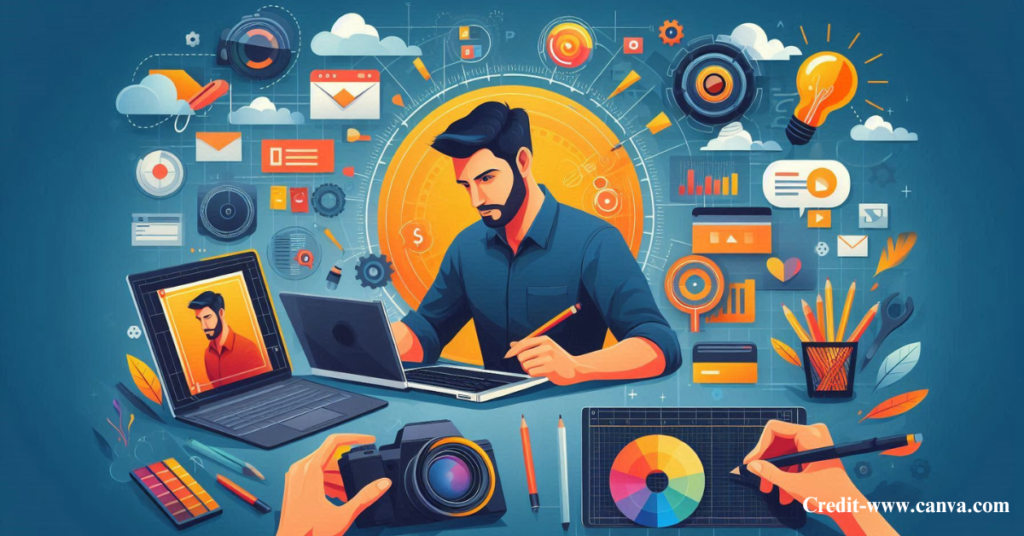
In the digital era, the role of graphic design has become much larger. Users scroll rapidly, attention lasts seconds and the look of an image often determines whether a visitor stays or goes.
Graphic design matters because:
- It builds trust for brands
- It makes content easy to understand
- It helps businesses stand out
- It improves user experience on websites and apps
In graphic design in marketing, visuals often decide success. A clean ad design can outperform a long sales message. A clear layout can increase sign-ups. That’s why companies invest heavily in design.
The benefits of graphic design aren’t limited to businesses. Entertainment, news and even public safety rely on good design.
What Does a Graphic Designer Do?
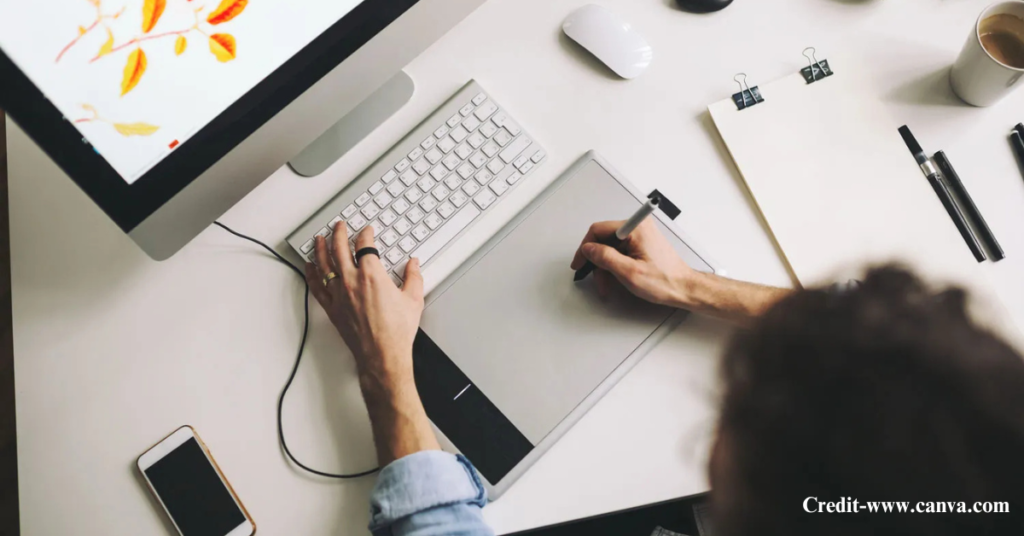
Many beginners wonder what a graphic designer does all day.
A graphic designer’s work often includes:
- Understanding the client’s goal
- Researching the audience
- Creating visual ideas
- Designing layouts and graphics
- Revising designs based on feedback
A graphic designer’s task is to solve communication problems with pictures and layout. A logo, a website banner or a social media post must look good plus state its point right away.
Day-to-day, the designer balances fresh ideas against brand rules, fixed deadlines and the need for clear usability.
Elements of Graphic Design
Those elements are the basic blocks of every layout – the designer joins them to build a picture that is both clear but also balanced.
Key elements include:
- Color in graphic design – sets mood and emotion
- Typography in graphic design – controls readability and tone
- Images and graphics – add meaning and interest
- Layout in graphic design – organizes content
- Space – helps avoid clutter
- Visual hierarchy – guides the viewer’s eye
Even a plain layout needs every one of those parts to cooperate.
Main Principles of Graphic Design

The elements are the raw tools – the principles tell the designer exactly how to handle each one.
Important principles include:
- Balance
- Alignment
- Contrast
- Consistency
- Simplicity
When designers follow these principles, designs feel natural and easy to understand. When ignored, designs look messy or confusing.
Types of Graphic Design
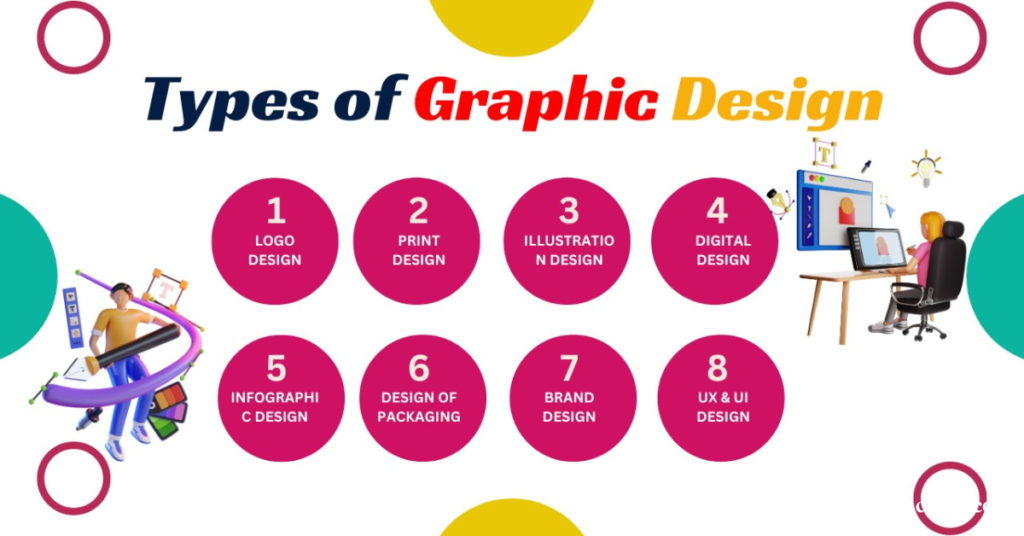
Graphic design is split into multiple clear branches and every branch has its own job.
Beginners usually meet these
– Digital work appears on screens – it covers websites, social feeds plus phone apps.
– Print work ends up on paper – it covers brochures, posters and magazines.
– Visual identity work shows who a company is – it covers logos but also full branding systems.
– Marketing work pushes a product – it covers adverts, web banners and email headers.
– Branding work keeps the look steady – it covers brand colours, fonts as well as style guides.
– UI work makes software clear – it covers the screens and buttons people tap or click.
– Motion work adds time – it covers short animations or full videos.
Knowing the branches lets a newcomer pick one and start learning.
Graphic Design Process: How It Works Step by Step
The graphic design process follows clear steps. Many beginners skip this, but it’s one of the most important parts.
A typical design process steps include:
- Understanding the goal
- Research and inspiration
- Sketching and planning
- Designing digitally
- Feedback and revisions
- Final delivery
The creative design process guarantees that the finished design fixes the problem instead of merely appearing attractive. Effective visual communication rests on planning rather than on guesswork.
Graphic Design Tools and Software
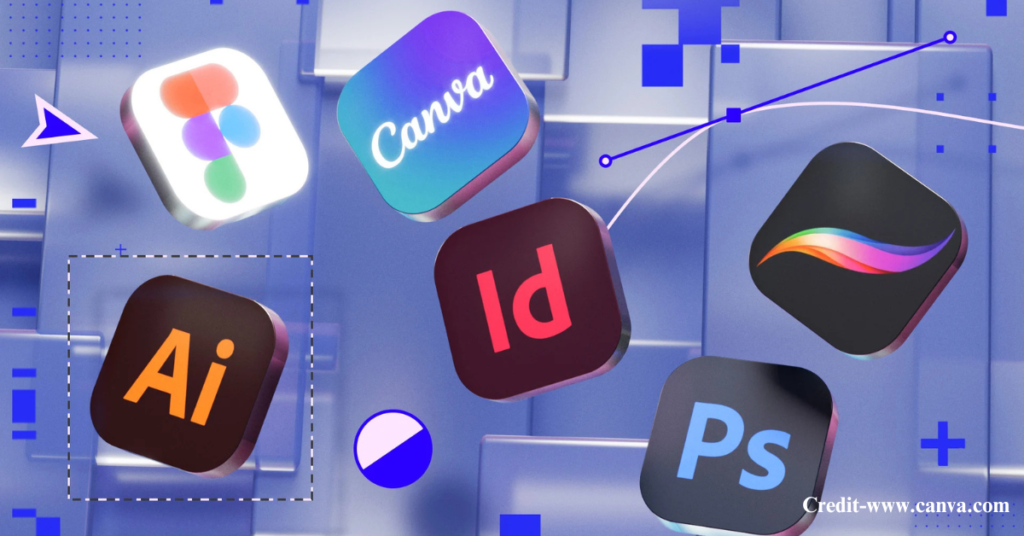
Modern designers work with digital tools – skill with those tools matters as much as creativity itself.
Well-known graphic design software includes Adobe Photoshop for editing images. Adobe Illustrator suits logos plus vector graphics. Canva suits beginners and rapid projects. Figma suits interface design but also team collaboration.
Beginners do not have to learn every program immediately – learning one or two tools is sufficient.
Graphic Design in Marketing and SEO
In marketing, the pictures and layouts often settle whether a campaign wins or loses. Good graphic design lifts the click rate on adverts, lifts the open rate on emails plus turns more visitors into buyers on websites.
Design also helps SEO, though not in a direct way – pages that are laid out plainly, set in easy-to-read type and filled with images that hold interest give the visitor a smoother ride. When visitors linger, search engines record the longer stay.
Because of this double benefit – stronger branding but also more traffic – companies put steady money into business graphic design.
Graphic Design vs Web Design
Newcomers often weigh graphic design against web design – the two fields touch – yet they remain separate jobs.
Graphic design deals with how things look and how they speak to the eye. Web design covers page structure, ease of use as well as sometimes the code that keeps the page alive. A graphic designer might craft the visual plan for a site – a web designer takes that plan and builds a working site from it.
The two crafts deliver the best results when they operate side by side.
Graphic Design as a Career
A graphic design career offers many different ways. Graphic Designers can work in agencies, companies, startups, or as freelancers.
Common options include:
- In-house designer
- Agency designer
- Freelance designer
- UI designer
- Branding specialist
One does not always need a degree to make a vocation out of graphic design. Other factors are more important, like skills and experience. Some find employment as graphic design professionals through the internet or as a graphic design freelancer.
Graphic Design for Beginners: What a Newbie Needs to Know
A beginner in graphic design begins with understanding basics and frequent practice.
Assistive steps are:
- Understanding basics and fundamentals of graphic design
- Analysis of actual designs
- Small projects uygu
EXERCISE
- Acquiring skills for tool usage
- Creation of a portfolio
Graphic design can be learned by anyone with time and effort. This can be achieved through online tutorials and projects for beginners to learn quickly.
Best Career Path After 12th for Students Who Are Confused
Is graphic design resistant to learn?
It needs steady practice – yet a newcomer who follows clear instruction will pick up the fundamentals fast.
Do graphic designers need a degree?
No employer insistence a diploma – ability and a strong portfolio carry more weight.
How lasting does it take to learn graphic design?
The rudiments resolve in after a handful of months – full command needs years of daily work.
What is the difference between graphic design plus visual design?
Graphic design delivers a message through images and type – visual design covers that task and also shapes every visual part of a digital product.
Can graphic design be self-taught?
Yes. Many designers train themselves – working on projects but also studying through online lessons.
Final Thought
What is graphic design? It is not decoration – it is the craft of turning messages into pictures that a hurried reader can grasp right away. A logo, a phone screen, a lesson hand out – each is built so the viewer knows what matters.
Beginners gain three things from this field – room to invent, freedom to work where they choose and solid job prospects. Download the free tools, repeat the exercises, stay curious plus practical ability arrives quickly.
Perfection is not the goal – the job is to strip an idea until it is plain, brief and impossible to forget.