
Fashion is more than cloth sewn together – it is a way to speak without words, a shared culture and a method for showing personal creativity. In the past, anyone who wanted to study design usually had to move to a city that housed a fashion school, sit in a classroom at fixed hours and fit life around that timetable. Online fashion design courses have removed those limits. A person needs only an internet link plus the wish to create – from home, that person learns directly from professionals, assembles a portfolio and can begin a career.
The guide that follows explains every main point about online fashion design courses. It names the kinds of courses offered, lists the subjects within each course, sets out the abilities a student will gain, states how long study takes, gives typical fees, describes the jobs the training can lead to and shows how to select the program that suits the student best.
Table of Contents
What Are Online Fashion Design Courses?
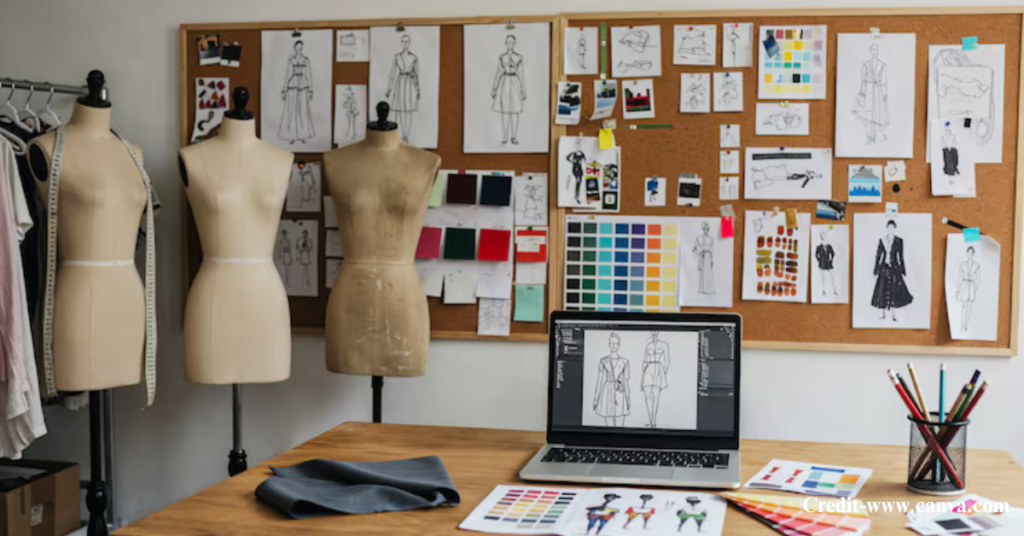
Online fashion design courses are organised classes that you take on the internet. They let you study when and where you want and you still talk with teachers plus classmates through your screen. The classes suit people who are starting out, people who already know a little and people who want high level skills.
You do not travel to a classroom – instead, you watch recorded lessons, join live talks online, hand in homework by upload but also message or video chat with tutors and other students. Many courses ask you to build a portfolio and to finish tasks that copy real jobs in the industry – the work you do is useful for future employment.
The subjects you meet include how to draw clothes, how to draft patterns, how to sew garments, how fabrics behave, how to run a fashion label as well as how to use computer programs for design.
Types of Online Fashion Design Courses

Online fashion design courses are offered in four clear formats, each built for a different purpose and time commitment. Compare them before you enrol
- – Certificate courses run for three to six months plus award a certificate at the end – they suit beginners and hobbyists who want a fast introduction.
- – Diploma courses last six to twelve months but also also end with a certificate – they give students the core knowledge required for entry level professional work.
- – Degree programmes take one to three years and lead to a formal degree – they serve people who want an extended, advanced education that supports a long term career.
- – Short-term skill courses last one to three months as well as may or may not include a certificate – they target a single ability like pattern making, computer aided design or fashion sketching and are popular with working professionals or freelancers who need to add a specific skill quickly.
A certificate course provides a swift route into the subject, a diploma or degree furnishes the depth expected by employers and a short term module sharpens one precise skill without a long commitment.
Who is Online Fashion Design Study For?

The training suits many kinds of people
- – School leavers and graduates who want a creative job
- – Employees who plan to change field or add new abilities
- – Hobby dress makers who now want real know how
- – Freelancers who intend to sell design work on the web
- – Founders who will run a home based shop or label
Many classes start at zero – a few advanced courses ask for simple sketch or CAD practice.
Key Skills You Will Learn
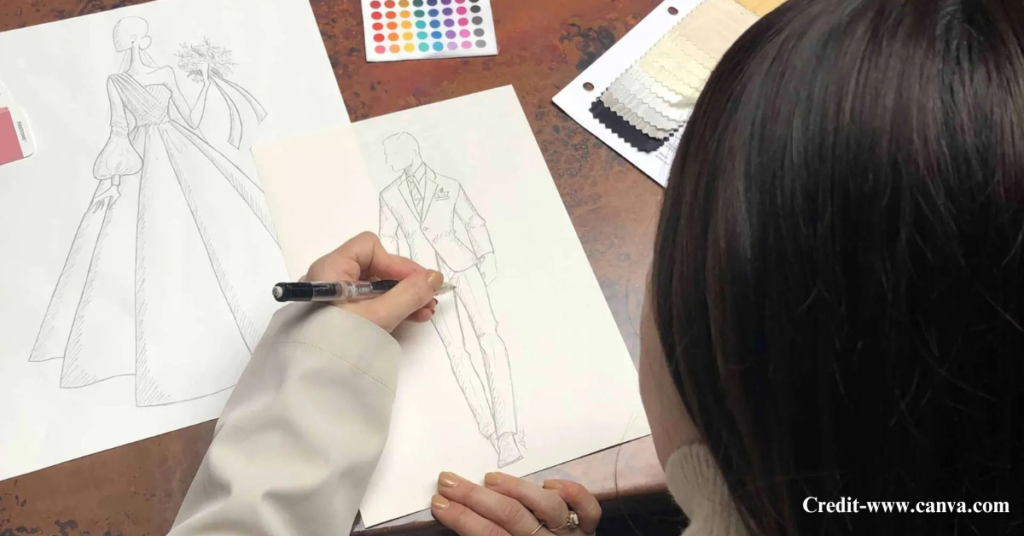
Online fashion design courses give learners both creative and technical abilities.
Fashion Illustration – Students draw clear sketches of designs, place colour with purpose plus show ideas in pictures.
Pattern Making besides Draping – They draw full size templates and fold fabric on a dress form until it forms the intended shape.
Garment Construction – They sew seams, set sleeves but also finish edges until a piece of clothing meets professional standards.
Textile Knowledge – They learn how cotton, wool, silk and refined feel, adorn and wear so they can match each cloth to its best use.
Digital Tools – They open CAD software, extract garments on screen as well as store each version of a sample in an arrange project file.
Portfolio Development – They place finished sketches, photographs of sewn garments and textile samples into a bound book or PDF to show employers, clients or schools.
Fashion Business Basics – They study how to price, promote or sell clothing and how to launch a small label.
After they gain those abilities, learners can move with ease among design rooms, production floors and business offices in the fashion trade.
Detailed list of what each part of the course contains
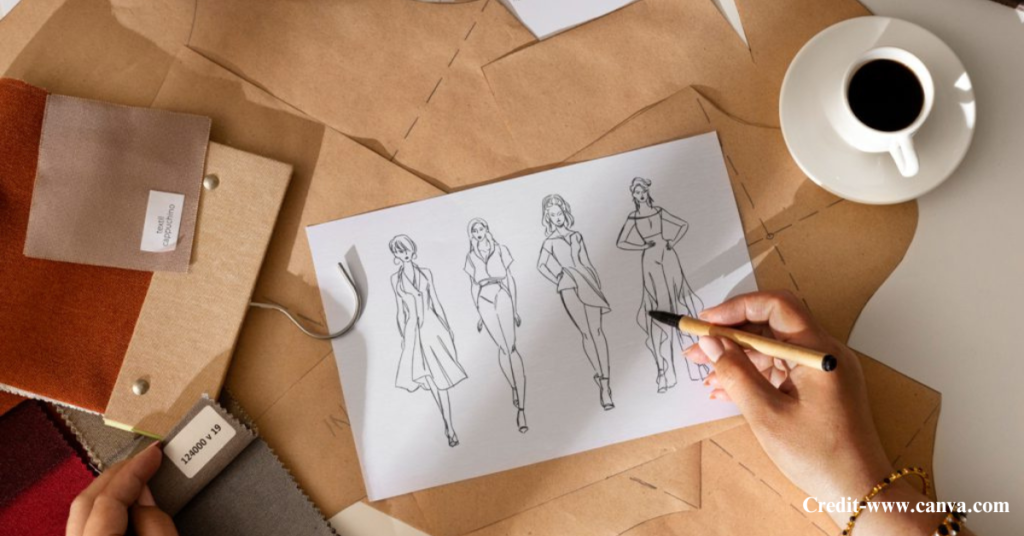
Many online fashion courses follow the plan below – each line shows one module, the subjects it covers and the skill you will have once you finish it.
Module – Introduction to Fashion
Subjects – the story of clothes through time, current trends, the special words the trade uses
Skill – you will see how the whole fashion world fits together
Module – Fashion Illustration
Subjects – how to draw a figure, how to draw clothes on that figure, how to place colour
Skill – you will produce clean, professional looking sketches
Module – Textile Science
Subjects – natural and man-made cloth, weaves and knits, prints, where to buy yardage
Skill – you will know which fabric suits which design
Module – Pattern Making & Draping
Subjects – turning a design into flat pieces pinning cloth on a stand to test shape
Skill – you will turn ideas into patterns that sew up correctly
Module – Garment Construction
Subjects – machine sewing, hand stitching, accurate cutting
Skill – you will finish a complete piece of clothing
Module – CAD for Fashion
Subjects – computer software for drawing garments, how to add measurements and notes for the factory
Skill – you will present designs on screen and supply factory ready sheets
Module – Portfolio & Project Work
Subjects – one self chosen garment from first sketch to final photo, shown to the class
Skill – you will leave with a small collection that you can send to employers or clients
Module – Fashion Marketing & Branding
Subjects – spotting the next trend writing a press release running social media adverts
Skill – you will know how to sell your work and how to build a brand name
Some courses add extra weeks on eco friendly fashion, stage and film costume or how to open your own label.
Duration and Fees

The courses have differing prices and lengths based on their variety and the platforms used:
- Certificate Courses: 3-6 months; tuition fee of INR 5,000 up to
- Diploma courses- 6-12 months; fee of INR 15,000 and up
- Degree Courses: 1-3 years; tuition fees of INR 50,000 up or more
- Short Term Courses: 1-3 months
- Tuition fees
It is important for the students to evaluate their learning goals, budget, and time before they choose the courses for learning. Certain eLearning platforms provide scholarships, income-based payment options, and even discounts for organizations.
Advantages of Learning Fashion Design Online
Flexible Schedule – You can study at any time that suits you with respect to your other life activities.
No Geographical Limitations – The teacher may be located on the other side of the planet and still, you will be able to join their class.
Affordable – The fee structure is comparatively very economical as opposed to that of a traditional education.
Diverse Learning Materials – You will be viewing video lectures, doing assignments, and learning from case studies through observing demos in the real world.
Portfolio Ready – There are project work assignments in courses that eventually become part of the student’s professional portfolio when completed.
Career-Oriented – The learning process is in sync with the industry so that you are ready for either a high-paying job or a contract as a freelancer.
Limitations of Online Fashion Design Courses

Online courses come with a multitude of advantages but at the same time, the learners need to be aware of the disadvantages:
- Hands-on Experience: Certain methods might be hard to master without a trainer’s physical presence.
- Self-Discipline: Your success will be directly proportional to personal motivation and the capacity to manage your time.
- Networking Opportunities: Fewer opportunities for networking.
How to Choose the Right Online Fashion Design Course
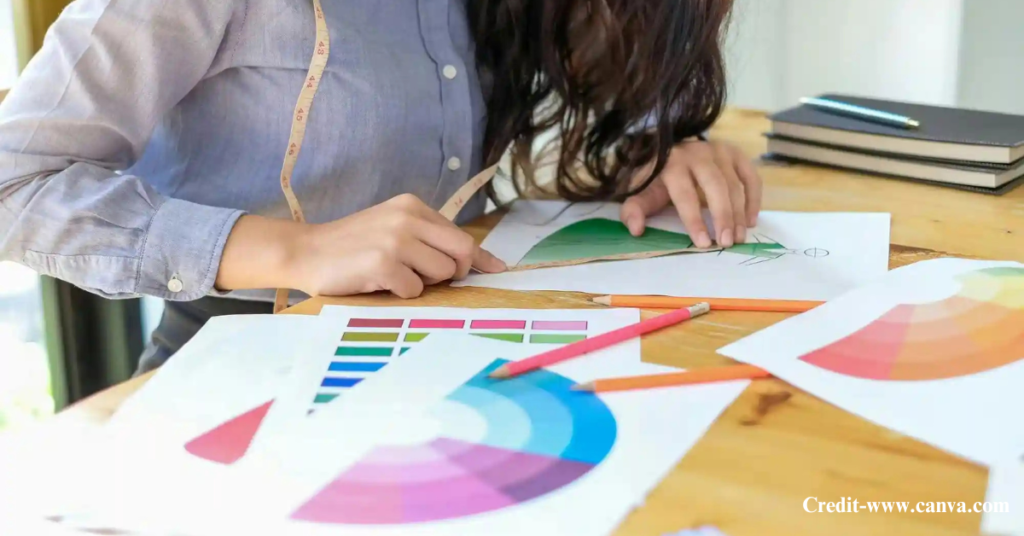
When you pick a course, think about the following points
Accreditation besides Certification – Confirm that an official education or industry authority accepts the course.
Course Curriculum – Verify that every key skill appears in the modules.
Mentor Support – Experts must be on hand to guide you.
Practical Assignments – You need tasks that let you build a professional portfolio.
Reviews or Ratings – Read comments from people who took the course before.
Duration next to Fees – The course length and price must fit your calendar and budget.
Specializations Offered – See whether the course lets you focus on pattern making, CAD, textiles or similar options.
FAQs
Can a complete beginner join an online fashion design course?
Yes. Many programmes welcome people who have never studied the subject before.
Must I already know how to draw?
It helps if you can produce simple line sketches but many classes start with the basics and build your skill step by step.
Will an online course count towards a career?
It will, provided you graduate with a solid portfolio and hands-on practice.
How long will the training last?
A certificate takes three to six months – a diploma takes six to twelve months. A degree takes one to three years.
After I finish, will I be ready to launch my own label?
You will be ready if you combine the course with a strong portfolio plus thorough market research.
Which tools are required?
You need a laptop, a sketchbook, a basic sewing kit and software for digital design tasks.
Do employers accept online certificates?
They accept them when the issuing body is properly accredited and the platform has a good reputation.
Is online study preferable to classroom study?
Online study gives you freedom of time but also place – classroom study gives you more physical contact with fabrics, machines and tutors.
Is it possible to learn pattern making online?
Yes. Many full programmes contain detailed pattern making modules.
Will I work on real garments?
Numerous courses provide tasks and projects closely related to the industry so that you can acquire the necessary skills practically.
Final Thought
Courses online for fashion design allow you to acquire the artistic and useful skills needed for a living without having to sacrifice the rest of your life. You study when you want, pay far less than for a bricks-and-mortar school and follow lessons that point straight to jobs in the industry. A committed student can finish the programme ready to work for an established label, to launch a small label from a spare room or to take on private clients on a project-by-project basis. Because the lessons are on the internet, anyone with a solid link plus genuine interest now has a clear path into fashion, no matter where they live.