
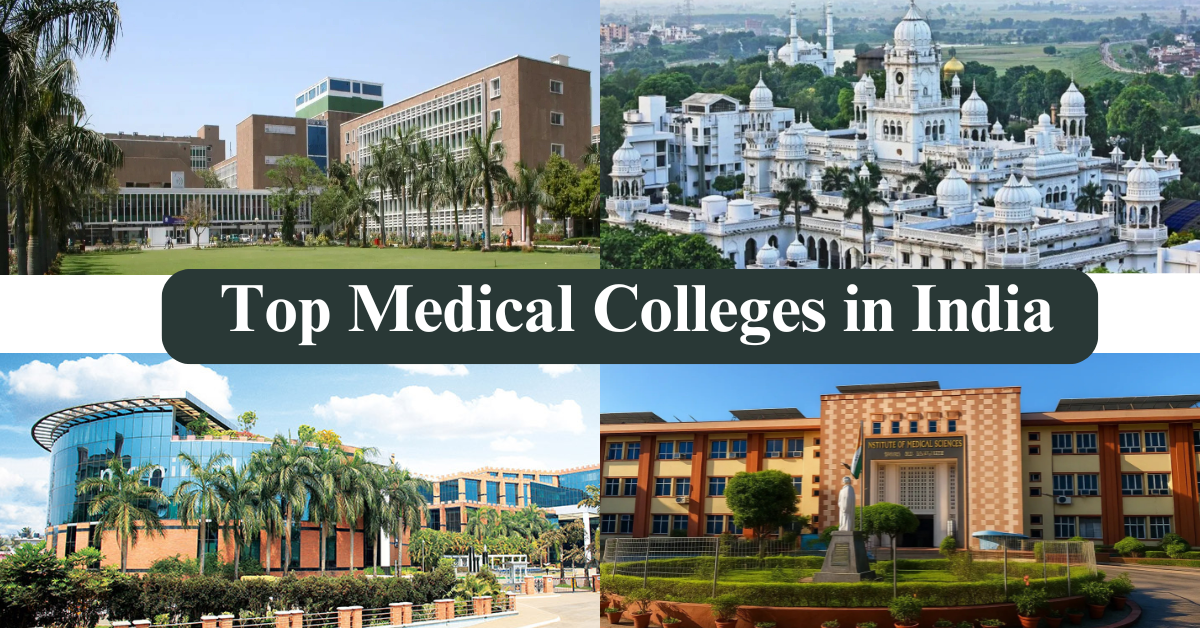
Every year, lakhs of students across India chase one dream — getting into the top medical colleges in India. For them, MBBS is not just a degree. It’s a badge of respect, a stable career, and often a family legacy. Parents, relatives, neighbors — everyone suddenly becomes an expert once NEET results are out.
But here’s the truth: choosing from the best medical colleges in India isn’t as simple as picking the first name on a ranking list. Rankings matter, yes. Fees matter even more.
Where the college sits on the map, how much time students spend inside a real hospital, how good the teachers are and what doors open after graduation matter just as much.
The guide lays out, in plain order, every fact a student needs when picking the best MBBS college in India. It leaves out noise, sales talk plus lists that miss half the story.
Table of Contents
What Makes a Medical College “Top” in India?
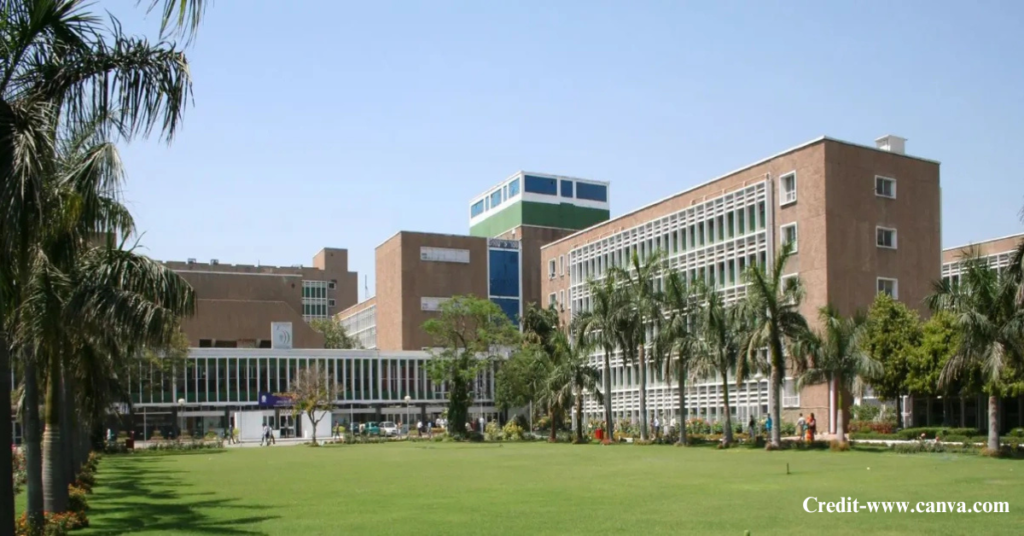
Most ranking websites throw college names at readers and move on. But serious aspirants want to know why certain medical colleges in India stand out.
A college earns its reputation based on several factors:
- Recognition by the National Medical Commission (NMC)
- Strong medical education in India standards
- Teaching hospitals with heavy patient flow
- Experienced faculty and research output
- Internship quality and PG preparation support
- Performance in medical colleges ranking in India, especially NIRF
When all these factors come together, a college naturally lands among the top medical colleges in India.
Understanding NIRF Ranking for Medical Colleges

The NIRF ranking medical colleges list is one of the most trusted benchmarks today. Released annually by the Government of India, NIRF looks at teaching quality, research, graduation outcomes, and public perception.
Students searching for the best ranked medical colleges in India often start here, and for good reason. NIRF has flaws – yet it still gives a fair country wide picture.
Top Medical Colleges in India (Ranked According to Latest Data)

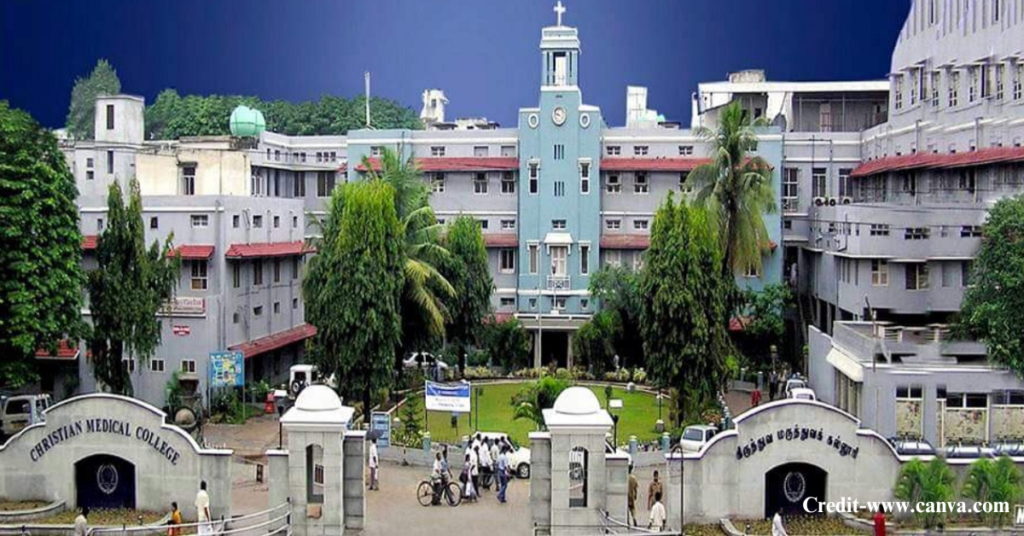
A brief overview of the most rated top medical colleges in India:
- All India Institute of Medical Sciences, Delhi
- PGIMER, Chandigar
- Christian Medical College (CMC), Vellore
- JIPMER, P
- SGPGI, Luck
- IMS-BHU, Var
- NIMHANS,
- KGMU, Luck
- Kasturba Medical College, Manipal
- Amrita Institute of Medical Sciences, Kochi
Such names top all lists for the best MBBS colleges in India because of clinical exposure as well as other reasons.
Government Medical Colleges in India

government medical colleges are a preferred choice for most students. The reason is quite simple and pragmatic.
Reasons why students like government colleges:
- Extremely low MBBS course fees in India
- Strong patient exposure
- High academic credibility
- Improved return on investment
Some of the best government medical colleges include: AIIMS Delhi, Maulana Azad Medical College, KGMU, IMS-BHU, and Grant Medical College Mumbai.
Getting into these colleges usually requires a high NEET score for top medical colleges, but the price make the effort worth it.
Private Medical Colleges in India

Not every student secures a government seat, and that’s where private medical colleges in India come into play. Fees are higher, but many private colleges still give a first rate education and good equipment.
Among the best are Christian Medical College in Vellore, Kasturba Medical College in Manipal, Amrita Institute of Medical Sciences besides Sri Ramachandra Medical College.
When you weigh a government college against a private one, look at the hospital attached, the work you will do as an intern plus the strength of the teachers – cost is only one part of the picture.
AIIMS and the National Institutes stand apart.
In any talk about the top medical colleges, AIIMS is named first.
All AIIMS colleges follow one central rule book, receive generous funds but also draw the most sought after teachers.
AIIMS Delhi is the hardest to enter – yet every new AIIMS site has already built a solid name.
Besides AIIMS, JIPMER or PGIMER also carry national weight and pull in students from every state.
NEET Admission Process for Medical Colleges in India

Admission to MBBS colleges in India depends on one exam – NEET UG.
Students must remember the following
Every medical college requires NEET.
Counseling is held at the national level and at the level of each state.
Seats are given out according to rank, category and the order in which the student lists preferred colleges.
Many medical colleges that accept NEET use a single shared counseling system. If a student arranges the choices in the wrong order, the system may award a college lower on the list even though a better seat was available.
NEET Cut Off for Top Medical Colleges
The NEET score that counts as “cut off” changes every year. It is fixed after the board looks at how hard the paper was.
- Number of candidates
- Seat availability
- Category reservation
Colleges like AIIMS Delhi besides CMC Vellore set their cut off marks at the top of the scale. Government colleges in sought after states also insist on high ranks – private colleges will accept somewhat lower ones. When students look at how NEET scores have moved in recent years, they gain a clear picture of where they stand and can list the top Indian medical colleges that are within reach.
MBBS Fees in India – Government Colleges Compared with Private Colleges
Fees remain one of the biggest decision factors.
MBBS fees in government medical colleges:
- Usually range from a few thousand to a few tens of thousands per year
MBBS fees in private medical colleges:
- Can range from several lakhs to over twenty lakhs annually
The medical college fee structure also includes hostel, mess, and miscellaneous charges. Students should always ask for full cost details before locking choices.
Location Matters: State-Wise Popular Choices

Many aspirants also search for colleges by location.
- Top medical colleges in Delhi attract students due to central institutions and exposure
- Top medical colleges in Maharashtra are known for urban hospital experience
- Top medical colleges in Tamil Nadu offer high seat availability and strong academics
- Top medical colleges in Karnataka combine quality education with private options
State policies and domicile rules also influence admission chances.
Life Inside Top Medical Colleges

Day-to-day life in India’s leading medical colleges is a long way from marvelous. Students face long hours, hard exams and nights without sleep. Yet they also gain experience that has no equal.
Talks with patients, study that stretches past midnight and the friends made along the way shape the whole MBBS years. A college that runs a strong hospital lets students trust their own judgment – no textbook alone gives that certainty.
Career After MBBS in India
When a student finishes MBBS at a well known college, a wide range of paths appears.
After MBBS, students can:
- Prepare for PG medical entrance exams
- Join hospitals as junior doctors
- Pursue research or teaching
- Explore opportunities abroad
The scope after MBBS in India depends mainly on how well the doctor has been trained, how much effort the doctor puts in and how skilled the doctor becomes – the name of the college is only one part of the story.
FAQs
What are the name(s) of the best colleges offering medical education in India?
AIIMS Delhi, PGIMER Chandigarh, and CMC Vellore, except JIPMER, casually remains at the farthest places in the list
Must every applicant take NEET?
Admission to almost every MBBS course in India insistence a NEET UG score.
Are private colleges a sound choice?
Several private institutions deliver good training – still, students need to weigh the cost, the clinical exposure they will receive and the standing of the college.
Does a government college ensure a better future?
Government colleges charge low fees and give broad hospital exposure – yet the student’s own work remains the decisive factor.
Final Thought
Choosing the right medical college in India is a decision that will steer a student’s life for the next thirty or forty years. Tuition fees and last-year cut off scores are important – yet clear thinking and a firm plan matter just as much.
Applicants who pause to weigh what each college offers, who honestly list their own strong points and the boundaries they cannot cross, usually finish the course more content plus more accomplished than the ones who blindly follow famous names. A medical degree is a long race run at an even pace, not a short dash – the college that truly fits the runner keeps the road ahead as smooth as possible.